
ASD contributes long and short form research products and analysis to inform and engage our audience on a range of issues related to malign foreign interference. In addition, we develop policy recommendations and strategies to close vulnerabilities and safeguard institutions from authoritarian threats.
Focus Areas




Threat Actors
All Posts
October 2021
Hamilton Toplines: September 27–October 3, 2021
Russia Last week, Russian officials and state media were outraged by YouTube’s decision to take down RT’s German-language channels for violating the platform’s coronavirus misinformation policy. The Russian Ministry of Foreign Affairs called YouTube [...]
Deep in the Data Void: China’s COVID-19 Disinformation Dominates Search Engine Results
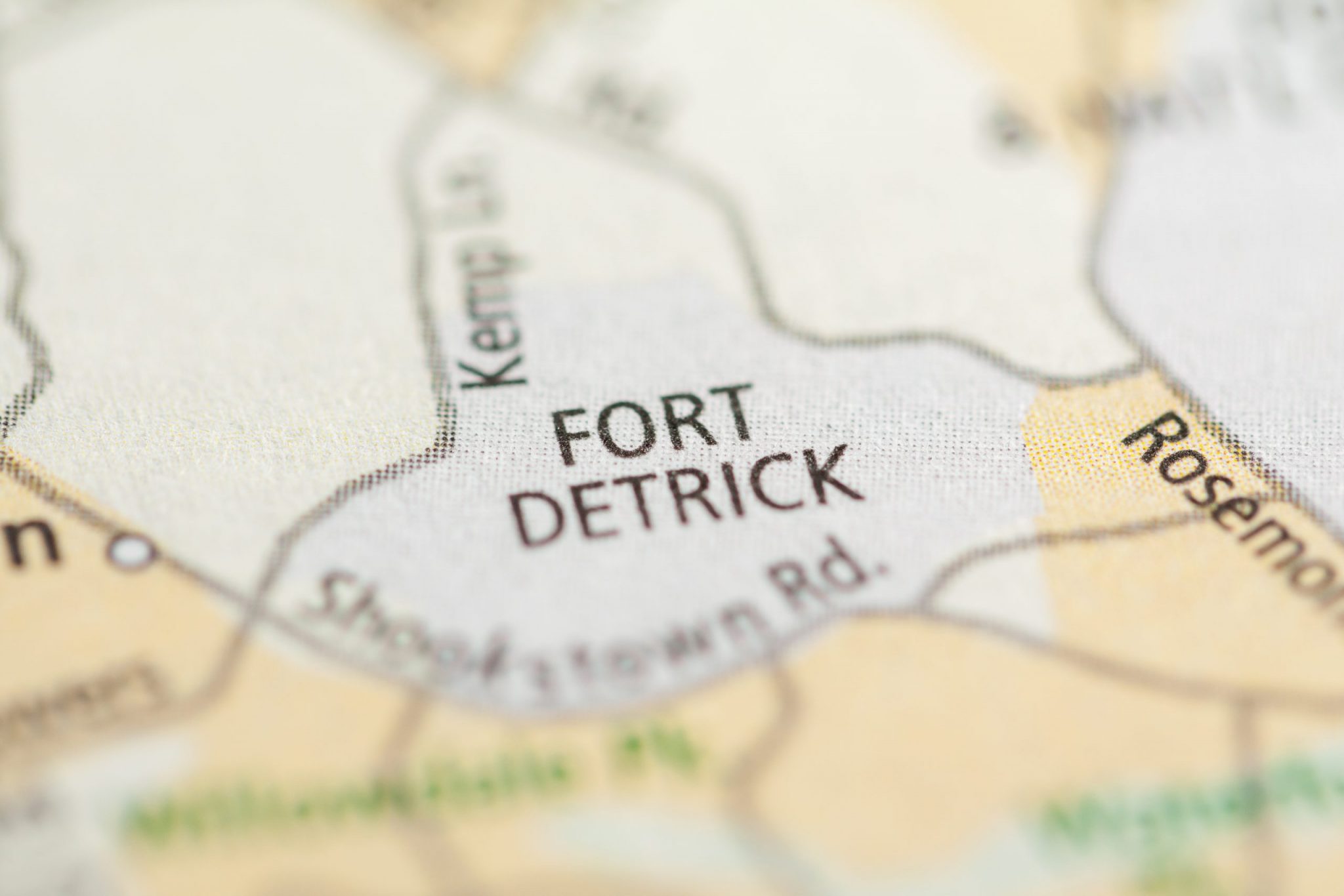
Since the earliest days of the pandemic, Chinese state officials and media outlets have disseminated conspiracy narratives claiming that COVID-19 originated at Fort Detrick—a U.S. army research facility in Maryland that has been the target of disinf [...]
September 2021
Putin At Play: Russian Disinformation Pinballs Around the Globe
Russian disinformation campaigns have become notorious around the world for their ability to cause chaos. And while some suggest Moscow’s motives begin and end with creating havoc, the reality is that Russia has clear strategic goals in mind. The Kr [...]
Hamilton Toplines: September 20–26, 2021
Russia Last week, Russian officials and state media focused heavily on the UN General Assembly (UNGA), making it the most frequently used phrase on the Moscow-linked Twitter dashboard. Much of the coverage attempted to highlight Russia’s diplomatic [...]
Russia’s Parliamentary Elections: Building Autocratic Resilience to “Foreign Interference”
Last week, Russian President Vladimir Putin’s United Russia party maintained its parliamentary majority in elections marked by apparent Kremlin-directed ballot tampering. Ahead of the elections, Russian government officials and state media used unfo [...]
Russia’s Media Reach and Coverage of Candidates in Advance of the German Federal Election
Foreign actors have demonstrated an interest in Germany’s federal election this year. Of particular concern is the fact that Russian state-backed media have developed a wide reach within Germany and are actively engaging in election discourse. Since [...]

Information Manipulation in the German Election Campaign: Lessons Learned, Latest Findings, and the Path Ahead
This year’s German federal election poses a challenge not only to the involved candidates and their corresponding parties, but to the entire German political landscape. Several articles and reports have highlighted the susceptibility of the election [...]
Hamilton Toplines: September 13–19, 2021
Russia Last week, Russian government officials and state-funded outlets focused heavily on Russia’s parliamentary elections, which were held from Friday to Sunday and resulted in President Vladimir Putin’s United Russia party maintaining its majorit [...]
The Elections, Covid, and Afghanistan: August on the German Elections Dashboard
On September 26, around 60 million voters in Germany will be able to cast their ballots in the 2021 parliamentary elections. After 16 years in power, incumbent chancellor Angela Merkel is not running for office, and a change in government leadership [...]
Regulating The Enablers
Executive Summary When kleptocrats, foreign intelligence services, homegrown autocrats, and other malign actors weaponize corruption to undermine U.S. democracy, their financial secrecy relies upon the services of ten sectors of U.S. professionals [...]
Q&A with David Levine: How Can the U.S. Respond to Efforts to Subvert Democratic Processes?
Disinformation-fueled partisan “audits” have been popping up around the United States in the ten months since the 2020 presidential election. Election workers face unprecedented levels of harassment sparked by false voter-fraud claims. And 51 percen [...]
Hamilton Toplines: September 6–12, 2021
Russia Continuing a weeks-long trend, Afghanistan dominated the outputs of Russian state media last week, with the country registering as the second or third most-mentioned country in videos, tweets, and articles posted by state media accounts and o [...]